Roof Inspection in Salt Lake City, UT
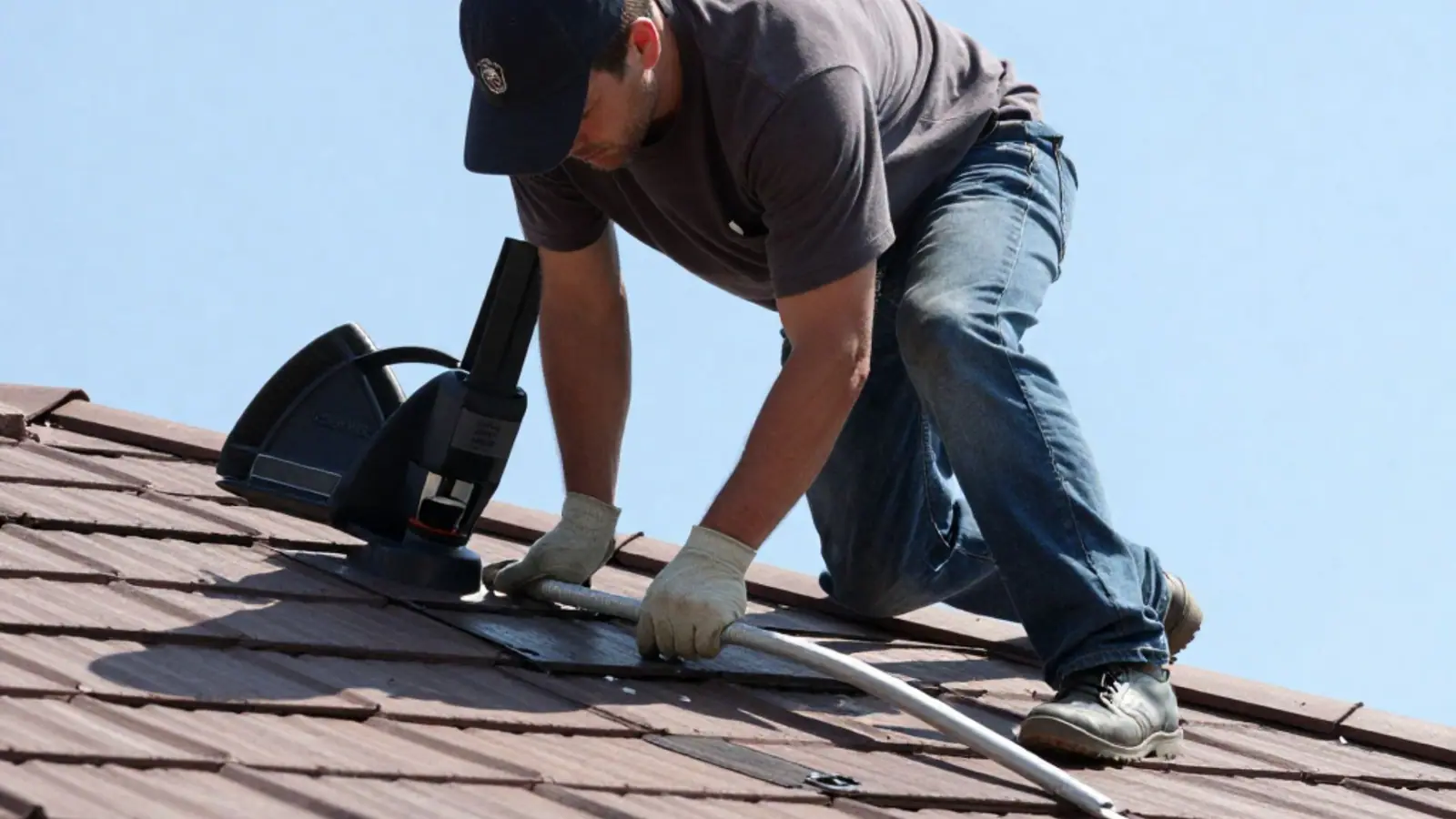
Roof inspection is a detailed evaluation of your roofing system to identify damage, aging materials, structural issues, and potential leaks before they become expensive repairs. In Salt Lake City, Utah, roof inspections are especially important because the region experiences dramatic seasonal changes—from heavy Wasatch Front snowfall in winter to intense high-altitude UV exposure in summer. These environmental factors place unique stress on roofing systems across residential, commercial, and historic properties.
In neighborhoods like Sugar House and The Avenues, many homes date back to the early 1900s and feature steep-pitch asphalt or architectural shingle roofs that must withstand decades of freeze-thaw cycles. Meanwhile, commercial buildings in Downtown Salt Lake City often rely on flat or low-slope roofing systems that require specialized flat roof inspection methods.
Read moreShow less
Salt Lake City Roofing Contractors provides professional roof inspection services throughout the Salt Lake Valley. Our locally focused team understands how the area’s climate, elevation (around 4,226 feet above sea level), and seasonal storms affect roofing materials. Through thorough roof evaluations and roof damage assessments, we help property owners catch problems early and extend the lifespan of their roofing systems.
Understanding Roof Inspection
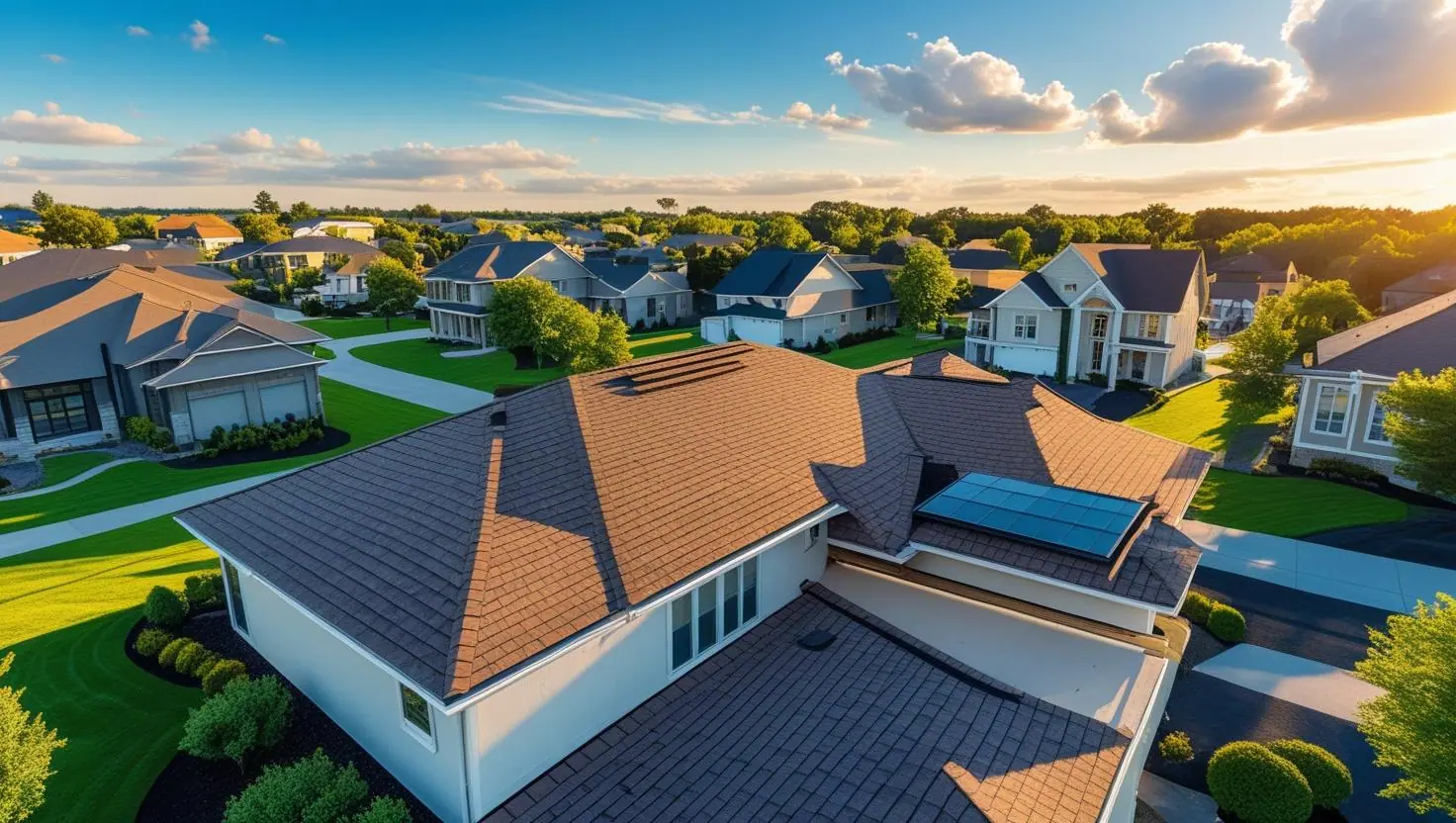
A roof inspection is a systematic examination of all roofing components, including shingles, flashing, underlayment, drainage systems, and roof structure. The goal is to identify issues such as material deterioration, storm damage, moisture intrusion, or structural weakness before they compromise the building.
Roof inspections have become increasingly important in Salt Lake City due to the region’s climate variability and the age of many neighborhoods. Much of the city expanded between the 1920s and 1960s, especially in areas like Yalecrest, Capitol Hill, and Central City. Homes built during this era often used wood decking and early asphalt shingles that were designed for shorter lifespans than modern materials.
Read moreShow less
Today, an estimated 65–70% of Salt Lake City’s residential homes use asphalt shingle roofing systems, while commercial buildings commonly use TPO, EPDM, or modified bitumen flat roofing. These systems require regular roof maintenance inspections because temperature swings in northern Utah can exceed 60°F differences between day and night in certain seasons.
Roof inspections typically evaluate:
- Roofing materials (shingles, tiles, membranes)
- Flashing around chimneys and vents
- Roof decking condition
- Ventilation and attic airflow
- Gutters and drainage
- Structural sagging or settlement
One advantage of regular roof checks is that they help detect small issues early, often preventing costly structural repairs. However, roofs that go many years without inspection may develop hidden problems such as trapped moisture or underlayment deterioration.
In historic districts like The Avenues, where Victorian and early Craftsman homes are common, inspections are especially important because older roof framing and decking may not meet modern building standards.
Why Salt Lake City Homes and Buildings Need Roof Inspection
Salt Lake City’s climate and geography create roofing challenges that differ significantly from coastal or humid regions. Located between the Great Salt Lake and the Wasatch Mountains, the city experiences strong winter storms, high UV exposure, and dramatic freeze-thaw cycles.
Below are five common roof inspection problems unique to Salt Lake City.
Free, no-obligation estimates
Talk to Salt Lake City Roofing Contractors
Tell us what you need and we’ll take it from there.
Signs You Need a Roof Inspection
Regular roof inspections help detect issues before they worsen. Look for these warning signs around your Salt Lake City property.
Exterior Signs
- Missing or lifted shingles after canyon windstorms
- Excessive granules accumulating in gutters
- Sagging roof sections visible from the street
- Ice dam buildup along roof edges during winter
Interior Signs
- Water stains on ceilings or attic rafters
- Damp insulation in the attic
- Mold or mildew odors near the roofline
- Daylight visible through roof decking
System-Specific Signs
- Standing water on flat commercial roofs
- Cracked flashing around chimneys and skylights
- Loose vent boots or sealant deterioration
Call immediately if you notice active leaks, structural sagging, or large sections of missing shingles after a storm.
How We Perform Roof Inspection in Salt Lake City
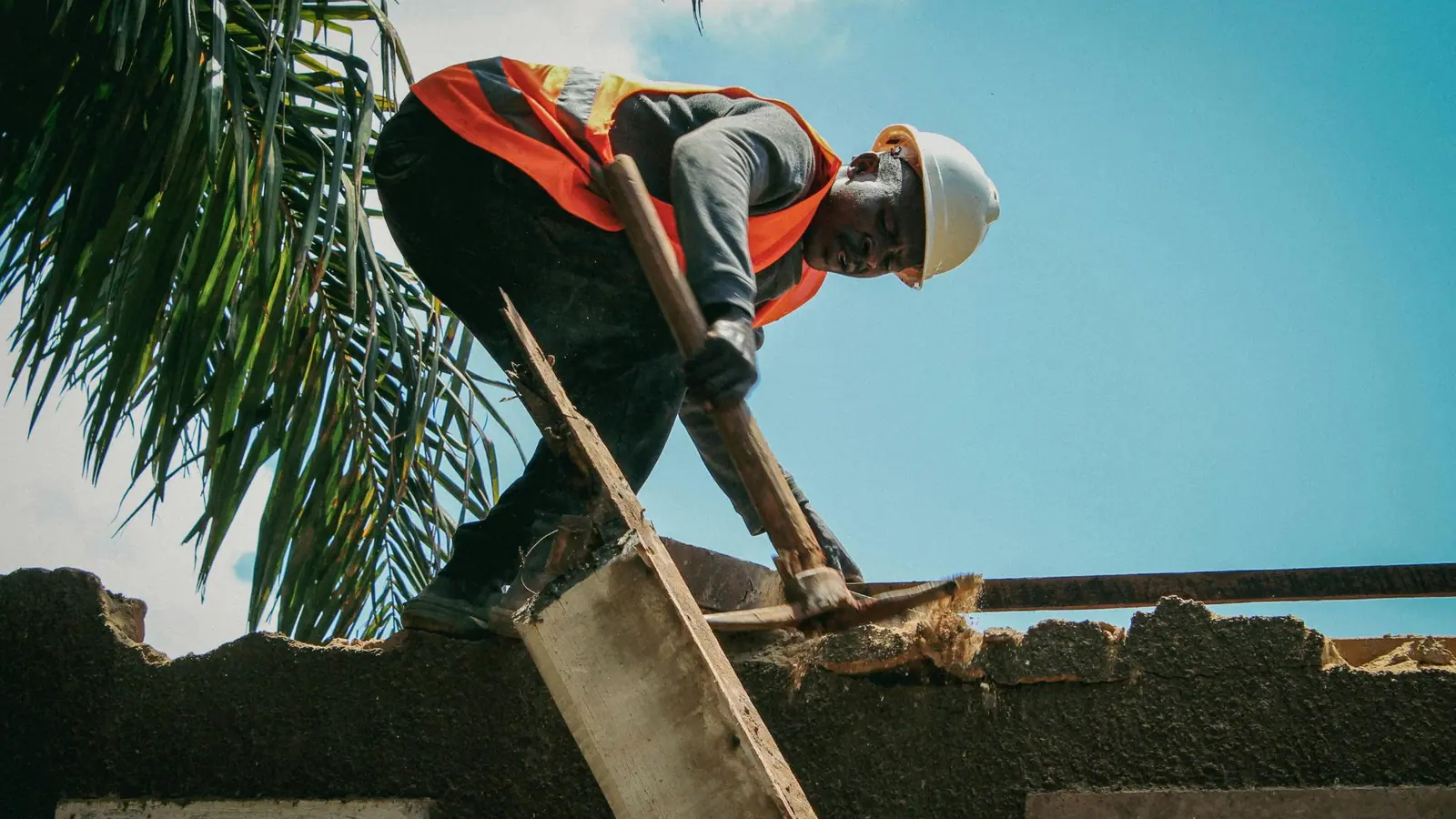
Step 1: Initial Roof Assessment
We begin with a visual evaluation of the roofing system, checking overall structure and identifying visible damage. This usually takes 30–45 minutes.
Step 2: Exterior Roofing Inspection
Our technicians examine shingles, flashing, ridge caps, and drainage systems. In Salt Lake City, we pay close attention to snow load stress and wind damage patterns common near canyon corridors.
Step 3: Flat Roof Inspection (If Applicable)
For commercial properties, we inspect TPO or EPDM membranes for punctures, seam failures, and ponding water—issues often caused by spring snowmelt in the Salt Lake Valley.
Step 4: Attic and Ventilation Inspection
Proper ventilation helps prevent ice dams. We evaluate attic airflow, insulation levels, and moisture buildup.
Typical attic checks take 20–30 minutes.
Step 5: Roof Damage Assessment
We document damage using photographs and notes. This includes identifying issues caused by UV exposure, freeze-thaw cycles, or storm events.
Step 6: Inspection Report and Recommendations
You receive a detailed report outlining roof condition, estimated lifespan, and recommended maintenance or repairs.
Most roof inspections are completed within 1–2 hours, depending on building size.
“Salt Lake City Roofing Contractors did an excellent job repairing a leak caused by an ice dam last winter. They explained exactly what was happening with the freeze-thaw cycle and fixed the problem quickly. The team was professional, and the roof has held up perfectly since.”
Jon
“I hired Salt Lake City Roofing Contractors for a full roof replacement on my home in Sugar House. They were extremely knowledgeable about roofing materials that work best in Utah’s climate. The installation was smooth and the crew kept everything clean during the project.”
bruno
“After a windstorm damaged several shingles on my roof in Capitol Hill, their team came out for an inspection and repair. They identified the problem right away and handled it quickly. I appreciate how honest and straightforward they were throughout the process.”
Penny
“I scheduled a roof inspection because my roof was starting to show signs of age. The contractor explained how sun exposure at this elevation affects shingles over time. Their maintenance recommendations were helpful and saved us from needing a full replacement right away.”
Andy
“We manage a small commercial property near Downtown Salt Lake City and needed maintenance for our flat roof. Salt Lake City Roofing Contractors were very thorough during the inspection and helped prevent a much bigger repair later. Great experience overall.”
Jamie
Roof Inspection Methods and Approaches
Roof Inspection Cost in Salt Lake City
Roof inspection costs in Salt Lake City typically range from $150 to $500, depending on roof size, accessibility, and inspection method.
Typical pricing ranges:
- Basic residential roof check: $150–$250
- Detailed roof evaluation: $250–$400
- Commercial flat roof inspection: $400–$500+
Several local factors influence inspection costs.
Homes in The Avenues or Capitol Hill may require more time due to steep roof slopes and historic construction styles. Multi-story buildings in Downtown Salt Lake City often require additional safety equipment or drone inspections.
Seasonal demand also affects pricing. Inspections are most common after winter snowstorms and spring thaw periods, when homeowners begin noticing leaks or ice dam damage.
Regular roof maintenance inspections can prevent costly repairs. Minor issues caught early may cost only a few hundred dollars, while major roof repairs can exceed $10,000 or more.
Maintaining Your Roof in Salt Lake City
Preventative maintenance helps extend roof lifespan in Utah’s challenging climate.
- Schedule a roof inspection every 1–2 years
- Remove snow buildup after major storms
- Clean gutters before winter
- Check attic insulation to prevent ice dams
- Inspect flashing around chimneys and vents
- Trim nearby trees such as Utah juniper and boxelder
- Schedule inspections after severe windstorms
Routine roof maintenance inspections often add 5–10 years to a roof’s lifespan.
Why Salt Lake City Property Owners Choose Salt Lake City Roofing Contractors
Salt Lake City Roofing Contractors has extensive experience inspecting roofs across the Wasatch Front. Our team understands how local weather patterns, elevation, and historic architecture influence roofing systems.
Our expertise includes:
- Residential roof inspections
- Commercial flat roof inspections
- Historic home roof evaluations
- Storm damage assessments
We specialize in identifying problems caused by Utah’s freeze-thaw climate, canyon winds, and high UV exposure.
Property owners across Sugar House, Capitol Hill, Downtown, and Yalecrest trust our inspections to protect their buildings and prevent costly repairs.
Sugar House
Sugar House contains many craftsman homes built between 1900 and 1940. These properties often have steep roof frames designed for snow shedding.
Yalecrest
Yalecrest homes frequently feature complex rooflines and historic roofing materials that require specialized installation techniques.
Rose Park
Many homes in Rose Park were built during the post-World War II housing boom, often requiring roof replacement after decades of weather exposure.
Capitol Hill
Capitol Hill properties near the foothills experience higher wind exposure and snow accumulation.
Downtown Salt Lake City
Commercial buildings in the downtown district frequently require flat roofing systems designed for large roof spans.
How long does a roof inspection take?
Most residential roof inspections in Salt Lake City take 1–2 hours, depending on roof size and accessibility.
How much does a roof inspection cost in Salt Lake City?
Typical costs range from $150 to $500, depending on inspection type and roof complexity.
Should I schedule a roof inspection after winter?
Yes. Snow and ice buildup during Salt Lake City winters can damage shingles and flashing. Spring inspections help identify issues caused by snowmelt.
Can I stay in my home during a roof inspection?
Yes. Roof inspections are non-invasive and do not disrupt daily activities.
Why are roof inspections important in Salt Lake City?
The region’s heavy snow, freeze-thaw cycles, and high UV exposure can damage roofing materials faster than in milder climates.
How often should I get a roof inspection?
Most roofing professionals recommend inspections every 1–2 years and after major storms.
Do flat roofs need inspections more often?
Yes. Flat roofs on commercial buildings in Downtown Salt Lake City often require annual inspections to monitor drainage and membrane condition.
Schedule Your Free Roof Inspection
If you own a home or commercial property in Salt Lake City, regular roof inspections can help prevent costly structural damage and extend your roof’s lifespan.
Salt Lake City Roofing Contractors provides professional roof inspections throughout neighborhoods including Sugar House, The Avenues, Capitol Hill, Rose Park, and Downtown Salt Lake City.
Our experienced inspectors understand the unique roofing challenges caused by Utah’s climate and elevation.
Contact our team today to schedule your free roof inspection and ensure your roofing system is ready for Salt Lake City’s changing seasons.
Why choose us
Why choose Salt Lake City Roofing Contractors?
Free estimates
Get a clear, no-obligation estimate before any work begins.
Licensed & insured
Your property and our crew are protected on every project.
Residential & commercial
One team for homes, multi-family and commercial properties.
Locally owned & operated
A local team serving your community and the surrounding area.
Get in touch
Find roofing help near you
Request a free estimate online or give us a call — our team will follow up quickly.
- Call us(801) 980-1948
- Visit4001 S 700 E suite 500, Salt Lake City, UT 84107
- HoursMon-Sun 7:00 AM-7:00 PM