Commercial Roof in Salt Lake City, UT
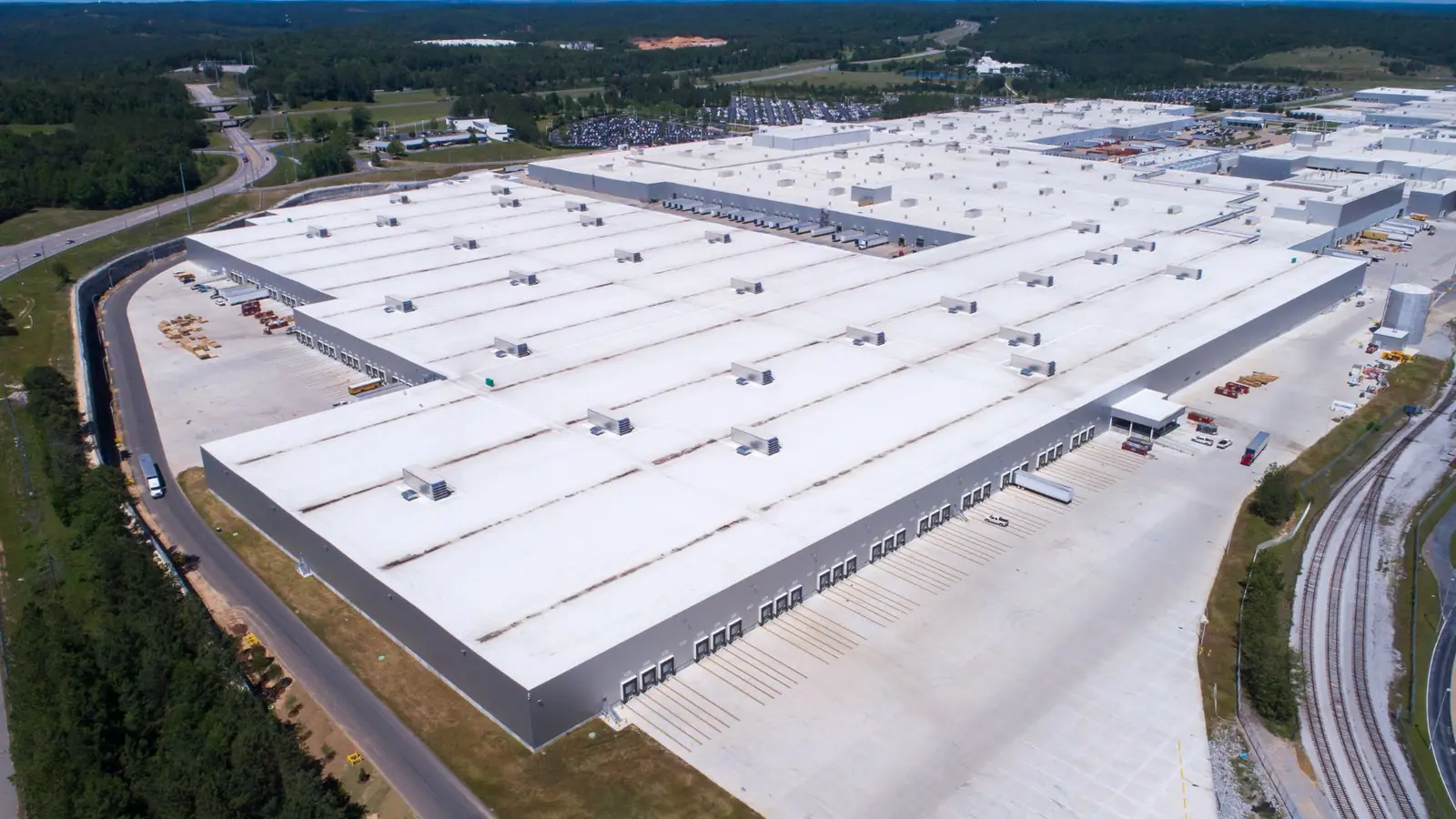
Commercial roof systems are designed to protect large buildings such as offices, warehouses, retail centers, and industrial facilities from weather, structural stress, and long-term wear. In Salt Lake City, Utah, commercial roofing must withstand a combination of mountain climate conditions, including heavy winter snow, strong canyon winds, and intense high-altitude UV exposure. These environmental factors make commercial roof design and maintenance different from roofing systems used in milder climates.
In business districts like Downtown Salt Lake City and industrial areas near Poplar Grove, many buildings rely on flat or low-slope roofing systems such as TPO membranes, modified bitumen, or metal panels. These industrial roof systems must support snow loads from storms that move down the Wasatch Front while also allowing proper drainage during rapid spring snowmelt.
Salt Lake City Roofing Contractors specializes in commercial roof services across the Salt Lake Valley. Our team works with property managers, facility operators, and business owners throughout neighborhoods like Central City and Rose Park, providing commercial flat roofing, commercial metal roofing, and large building roof services designed specifically for northern Utah’s climate.
Understanding Commercial Roof Systems
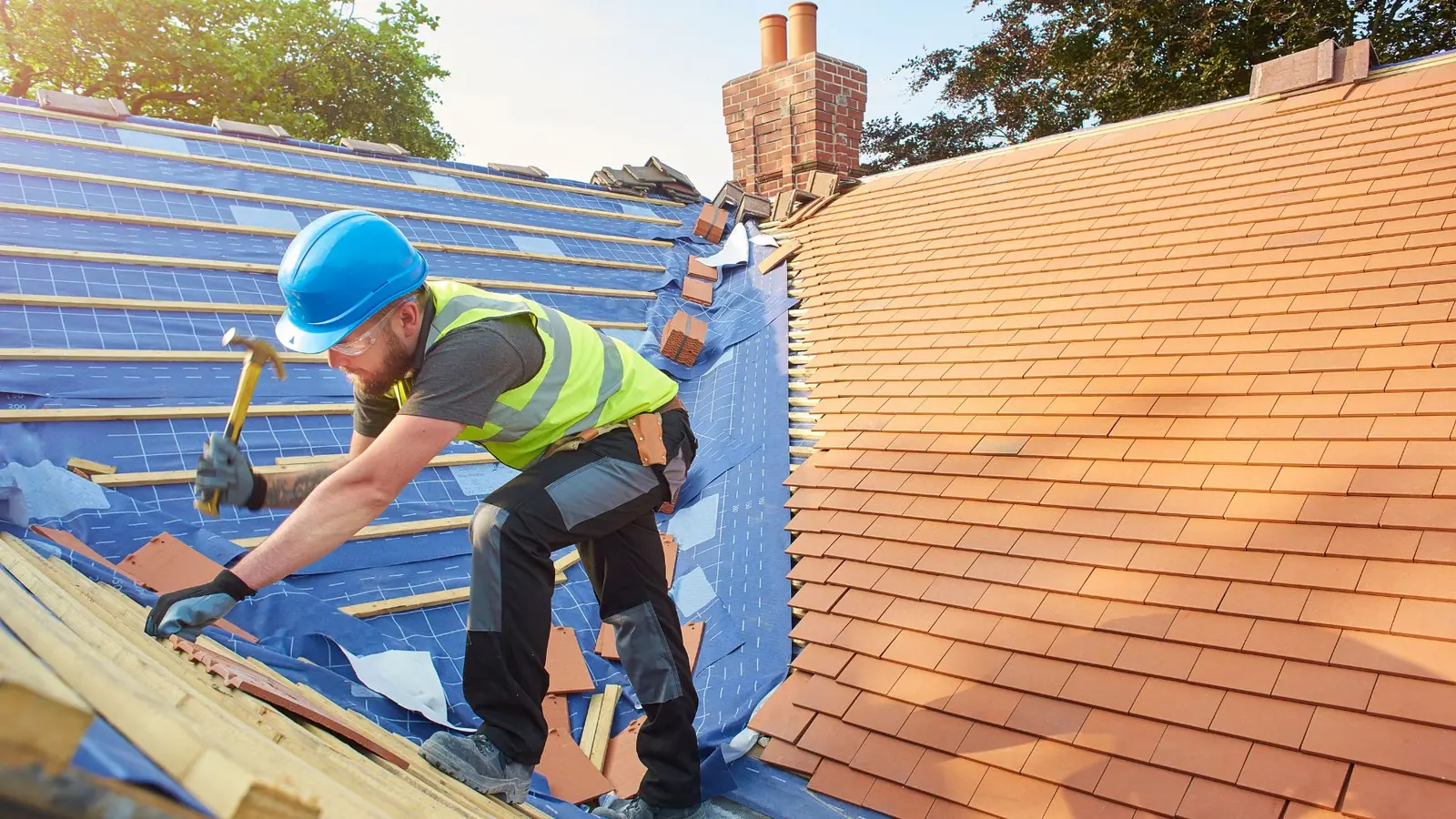
A commercial roof is a roofing system designed to cover large structures such as office buildings, retail centers, schools, warehouses, and industrial facilities. Unlike steep residential roofs, most commercial roof systems are flat or low-slope, typically with pitches between ¼ inch and ½ inch per foot. These roofs rely on membrane materials, drainage systems, and structural decking to keep water from accumulating on the surface.
Commercial roofing became widespread in Salt Lake City during the post-World War II construction boom of the 1950s and 1960s, when warehouses, manufacturing facilities, and government buildings expanded throughout the valley. Industrial areas near Fairpark and Glendale often used built-up roofing systems (BUR) made from asphalt layers and gravel surfacing.
Read moreShow less
Today, modern commercial flat roofing systems in Salt Lake City include:
- TPO (Thermoplastic Polyolefin) membranes
- EPDM rubber roofing
- Modified bitumen roofing
- Standing seam commercial metal roofing
These systems are common in commercial zones such as Downtown Salt Lake City and along major corridors like State Street and West Temple.
An estimated 70% of commercial buildings in the Salt Lake Valley use flat roofing systems, while larger warehouses and industrial facilities often use metal roofing systems designed to handle snow shedding.
Commercial roofing offers several advantages:
- Efficient coverage for large structures
- Lower installation cost per square foot
- Easier access for HVAC equipment
- Simpler maintenance and inspections
However, flat roofs also require regular inspections because water drainage, snow accumulation, and UV exposure can accelerate membrane deterioration.
Historic commercial buildings in Capitol Hill and Central City sometimes still use older roofing materials, making professional roof evaluations critical to prevent structural damage.
Why Salt Lake City Buildings Need Commercial Roof Services
Salt Lake City’s geographic position between the Great Salt Lake and the Wasatch Mountains creates unique weather patterns that affect large building roof systems. Snowstorms, wind funnels from nearby canyons, and extreme temperature swings can stress commercial roofing materials.
Below are five common commercial roof problems found in Salt Lake City.
Heavy Snow Load Stress
The Mechanism
Salt Lake City receives an average of 50–60 inches of snow per year, with storms often delivering large accumulations in short periods. Flat roofs on warehouses and retail buildings can hold significant snow weight.
Wet snow weighs approximately 20 pounds per cubic foot, meaning just one foot of accumulation across a large warehouse roof can create thousands of pounds of structural load.
Read moreShow less
Symptoms
- Sagging roof decking
- Interior ceiling cracks
- Slow roof drainage after storms
- Structural creaking sounds
Salt Lake City Factors
Storm systems moving across the Wasatch Range, such as the February 2019 winter storm, created snow loads that caused several commercial roof collapses throughout northern Utah. Buildings in Rose Park and Fairpark, where older industrial warehouses were constructed with lighter framing, are especially vulnerable.
Freeze-Thaw Membrane Damage
The Mechanism
Salt Lake City frequently experiences winter temperature swings around the freezing point. When snow melts during the day and refreezes overnight, moisture can enter small seams in roofing membranes.
As water freezes, it expands by about 9% in volume, widening seams and causing long-term membrane damage.
Symptoms
- Membrane blistering
- Cracked seams
- Interior water leaks
- Mold growth in ceiling insulation
Salt Lake City Factors
Freeze-thaw damage is especially common during late winter and early spring in neighborhoods like Sugar House and Central City, where older commercial buildings often have aging modified bitumen roofs.
Canyon Wind Uplift Damage
The Mechanism
Strong winds funnel through nearby mountain passes such as Parleys Canyon and Emigration Canyon, creating wind gusts that can exceed 70 mph. These winds can lift roofing membranes and metal panels.
When wind breaks adhesive bonds or fasteners, entire roof sections may peel back during storms.
Symptoms
- Loose membrane edges
- Missing metal panels
- Torn flashing around rooftop equipment
- Debris accumulation
Salt Lake City Factors
Commercial buildings closer to the foothills—such as those near Capitol Hill—experience stronger wind exposure compared to areas farther west like Glendale.
UV Degradation at High Elevation
The Mechanism
Salt Lake City sits at roughly 4,200 feet above sea level, which means roofing materials receive higher levels of ultraviolet radiation compared to lower-elevation cities.
UV radiation gradually breaks down polymers in roofing membranes.
Symptoms
- Brittleness in rubber membranes
- Surface cracking
- Premature material aging
- Loss of waterproof elasticity
Salt Lake City Factors
Commercial buildings with large exposed roofs in Poplar Grove and industrial areas west of Interstate 15 experience strong sun exposure throughout the year.
Drainage and Ponding Water
The Mechanism
Flat commercial roofing systems rely on drains and tapered insulation to move water off the surface. If drains clog or slopes become uneven, water can pool on the roof.
Standing water accelerates membrane deterioration.
Symptoms
- Visible roof puddles
- Membrane discoloration
- Leaks around HVAC units
- Structural sagging
Salt Lake City Factors
Rapid snowmelt in March and April often overwhelms roof drainage systems in Downtown commercial buildings.
Free, no-obligation estimates
Talk to Salt Lake City Roofing Contractors
Tell us what you need and we’ll take it from there.
Signs You Need Commercial Roof Service
Business owners and facility managers should watch for these warning signs.
Exterior Signs
- Pooling water on flat roof surfaces
- Loose flashing around rooftop equipment
- Visible membrane cracks or tears
- Rust on commercial metal roofing panels
Interior Signs
- Water stains on ceiling tiles
- Damp insulation above drop ceilings
- Mold growth near ventilation systems
- Dripping water during snowmelt periods
Structural Warning Signs
- Sagging roof decking
- Cracking sounds during heavy snowstorms
- HVAC equipment shifting on the roof
Call immediately if you notice structural sagging, major leaks, or storm damage following strong canyon winds.
How We Install and Service Commercial Roofs in Salt Lake City
Commercial Roof Methods and Systems
Commercial Roof Cost in Salt Lake City
Commercial roofing costs in Salt Lake City generally range from $6 to $16 per square foot, depending on materials and roof complexity.
Typical price ranges:
- Small commercial buildings: $15,000 – $40,000
- Medium commercial facilities: $40,000 – $120,000
- Large industrial buildings: $120,000 – $300,000+
Several local factors affect costs.
Buildings in Downtown Salt Lake City may require crane access or special permits. Snow-load engineering requirements also influence commercial roof design.
Older buildings in Capitol Hill sometimes require structural reinforcement before installing modern roofing systems.
Seasonal timing also affects pricing. Roofing work is typically scheduled between late spring and early fall, when temperatures allow proper membrane installation.
Salt Lake City Neighborhoods We Serve
Downtown Salt Lake City
The city’s commercial center features office towers, retail buildings, and hotels with large flat roofing systems requiring regular inspections and maintenance.
Sugar House
Many commercial properties in this historic district include mixed-use buildings with older roofing structures that need specialized upgrades.
Rose Park
Industrial facilities and warehouses dominate this area, making durable commercial metal roofing systems common.
Capitol Hill
Buildings in this hillside district experience strong canyon winds, which can affect roof membranes and flashing.
Poplar Grove
This industrial neighborhood contains large warehouses that rely on flat commercial roofing systems.
“Salt Lake City Roofing Contractors did an excellent job repairing a leak caused by an ice dam last winter. They explained exactly what was happening with the freeze-thaw cycle and fixed the problem quickly. The team was professional, and the roof has held up perfectly since.”
Jon
“I hired Salt Lake City Roofing Contractors for a full roof replacement on my home in Sugar House. They were extremely knowledgeable about roofing materials that work best in Utah’s climate. The installation was smooth and the crew kept everything clean during the project.”
bruno
“After a windstorm damaged several shingles on my roof in Capitol Hill, their team came out for an inspection and repair. They identified the problem right away and handled it quickly. I appreciate how honest and straightforward they were throughout the process.”
Penny
“I scheduled a roof inspection because my roof was starting to show signs of age. The contractor explained how sun exposure at this elevation affects shingles over time. Their maintenance recommendations were helpful and saved us from needing a full replacement right away.”
Andy
“We manage a small commercial property near Downtown Salt Lake City and needed maintenance for our flat roof. Salt Lake City Roofing Contractors were very thorough during the inspection and helped prevent a much bigger repair later. Great experience overall.”
Jamie
Maintaining Your Commercial Roof in Salt Lake City
Regular maintenance helps extend the life of commercial roofing systems.
- Schedule professional inspections once or twice per year
- Remove snow buildup during heavy storms
- Keep roof drains and gutters clear
- Inspect flashing around HVAC equipment
- Check membranes for cracks after winter freeze-thaw cycles
- Trim nearby trees such as boxelder and cottonwood
- Repair small leaks immediately
Routine maintenance can extend a commercial roof’s lifespan by 10–15 years.
Why Salt Lake City Property Owners Choose Salt Lake City Roofing Contractors
Salt Lake City Roofing Contractors has extensive experience installing and maintaining commercial roof systems across the Salt Lake Valley.
Our team understands how Utah’s snow loads, canyon winds, and high-altitude UV exposure affect industrial roofing systems.
We specialize in:
- Commercial flat roofing
- Commercial metal roofing
- Large building roof services
- Industrial roof system installation
- Preventative roof maintenance
Property owners across Downtown Salt Lake City, Sugar House, Rose Park, and Central City trust our expertise for durable commercial roofing solutions.
Sugar House
Sugar House contains many craftsman homes built between 1900 and 1940. These properties often have steep roof frames designed for snow shedding.
Yalecrest
Yalecrest homes frequently feature complex rooflines and historic roofing materials that require specialized installation techniques.
Rose Park
Many homes in Rose Park were built during the post-World War II housing boom, often requiring roof replacement after decades of weather exposure.
Capitol Hill
Capitol Hill properties near the foothills experience higher wind exposure and snow accumulation.
Downtown Salt Lake City
Commercial buildings in the downtown district frequently require flat roofing systems designed for large roof spans.
How long does a commercial roof last?
Most commercial roofing systems last 20–30 years, depending on material type and maintenance.
How much does a commercial roof cost in Salt Lake City?
Commercial roofing projects typically range from $6 to $16 per square foot, depending on material and building size.
What type of commercial roof is best for Salt Lake City?
TPO and metal roofing systems perform well in Salt Lake City due to their resistance to snow loads and UV exposure.
Can businesses operate during roof installation?
Yes. Most commercial roofing projects allow normal building operations, though certain areas may need temporary restrictions.
Why are flat roofs common on commercial buildings?
Flat roofs are easier to install on large structures and allow rooftop HVAC equipment.
How often should commercial roofs be inspected?
Professional inspections are recommended once per year and after major winter storms.
Does snow damage commercial roofs?
Heavy snow accumulation can create structural stress, which is why snow removal and inspections are important during Utah winters.
Schedule Your Free Commercial Roof Inspection
Protecting your commercial property starts with a reliable roofing system designed for Salt Lake City’s climate.
Salt Lake City Roofing Contractors provides professional commercial roof services throughout the Salt Lake Valley, including Downtown Salt Lake City, Sugar House, Rose Park, Capitol Hill, and Poplar Grove.
Our team specializes in commercial flat roofing, metal roofing systems, and large building roof services designed for northern Utah weather conditions.
Contact our experts today to schedule a free commercial roof inspection and ensure your building is prepared for Salt Lake City’s demanding climate.
Why choose us
Why choose Salt Lake City Roofing Contractors?
Free estimates
Get a clear, no-obligation estimate before any work begins.
Licensed & insured
Your property and our crew are protected on every project.
Residential & commercial
One team for homes, multi-family and commercial properties.
Locally owned & operated
A local team serving your community and the surrounding area.
Get in touch
Find roofing help near you
Request a free estimate online or give us a call — our team will follow up quickly.
- Call us(801) 980-1948
- Visit4001 S 700 E suite 500, Salt Lake City, UT 84107
- HoursMon-Sun 7:00 AM-7:00 PM