Roofing Materials in Salt Lake City UT: Comprehensive Solutions for Every Property
Roofing Materials in Salt Lake City play a critical role in protecting homes and commercial buildings from Utah’s demanding mountain climate. Salt Lake City Roofing Contractors provides expert guidance and installation for the most reliable roofing materials used across Salt Lake City, helping property owners choose roofing systems that perform well under heavy snow loads, seasonal hailstorms, and strong ultraviolet exposure at higher elevations.
Salt Lake City sits at roughly 4,200 feet above sea level near the Wasatch Mountains, where winter snowfall averages 50–60 inches annually and temperature swings can range from 10°F winter nights to 95°F summer days. These conditions place stress on roofing materials, causing expansion, contraction, and gradual deterioration. Nearly 70% of roofs in Salt Lake County experience weather-related wear within 15–20 years, making durable roofing materials essential for long-term performance.
Our team installs and services the most effective roofing materials for homes and commercial properties across Sugar House, Yalecrest, Rose Park, Capitol Hill, Downtown Salt Lake City, Central City, Glendale, and The Avenues. From affordable asphalt shingles to premium metal, tile, and flat roofing systems, we help property owners choose materials designed to withstand Utah’s unique weather patterns.
Read moreShow less
This roofing materials guide explains the most common roofing systems used in Salt Lake City, how they perform in the region’s climate, and which materials work best for different types of homes and commercial buildings.
Why Roofing Materials Matter in Salt Lake City
Salt Lake City’s climate creates conditions that significantly influence which roofing materials perform best over time. The city’s location along the Wasatch Front exposes roofs to heavy snow accumulation, rapid freeze-thaw cycles, seasonal hailstorms, and strong mountain winds.
Winter snow can place several thousand pounds of weight on residential roofs. When snow melts during daytime temperatures and refreezes overnight, ice dams may form along roof edges. These ice dams trap water beneath shingles or roofing membranes, leading to leaks and interior water damage.
The region’s altitude also increases exposure to ultraviolet radiation. UV rays break down roofing materials gradually, especially asphalt-based products. Compared to coastal climates, roofs in Salt Lake City often age 20–30% faster if materials are not designed for high-altitude environments.
Read moreShow less
Salt Lake City’s spring storms also produce hail capable of cracking shingles or denting metal panels. Homes in foothill neighborhoods such as Capitol Hill and The Avenues are particularly vulnerable due to wind exposure and temperature fluctuations.
Because of these factors, selecting roofing materials designed for snow shedding, wind resistance, and UV protection is critical. Professional roofing contractors evaluate roof pitch, building structure, and climate exposure before recommending the best material for long-term durability.
Choosing the right roofing materials not only protects a building from weather damage but also improves insulation, energy efficiency, and property value.
Salt Lake City Roofing Contractors installs and maintains several roofing materials commonly used throughout the region. Each material offers different advantages depending on building design, climate exposure, and long-term maintenance expectations.
Asphalt Shingle Roofing
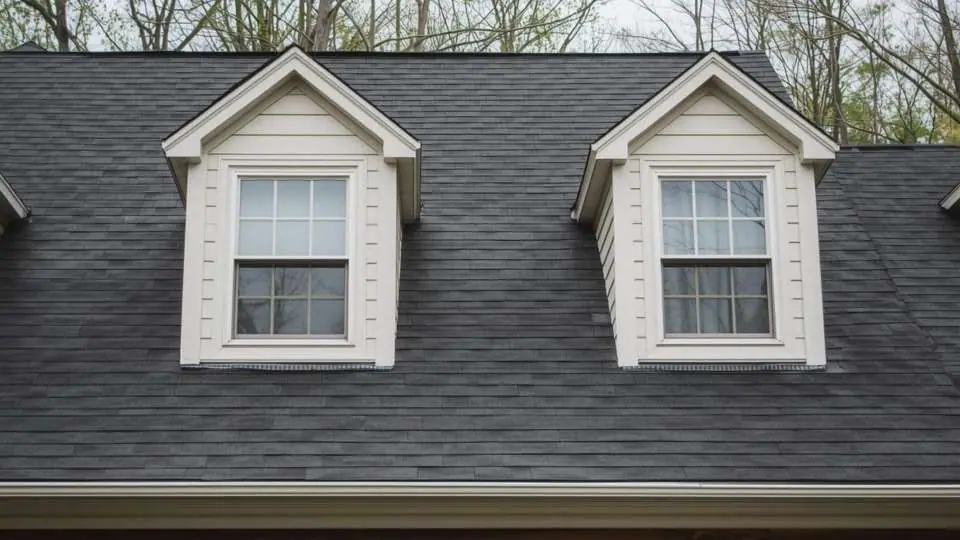
Asphalt shingles are the most widely used roofing material in Salt Lake City and throughout the United States. They are installed on roughly 70–75% of residential homes due to their affordability, durability, and ease of installation.
Modern architectural asphalt shingles are designed to withstand strong winds and moderate hail impacts. Many products now include reinforced fiberglass backing and reflective coatings that help reduce UV damage at higher elevations.
Asphalt shingles perform well in neighborhoods such as Rose Park, Glendale, and Poplar Grove, where many homes were built between the 1950s and 1980s and originally used asphalt roofing systems.
Typical lifespan in Salt Lake City ranges from 18 to 25 years, depending on roof ventilation and storm exposure.
Metal Roofing
Metal roofing has become increasingly popular in Salt Lake City due to its exceptional durability and ability to shed snow efficiently. Unlike shingles, metal roofing panels allow snow to slide off the roof surface more easily, reducing structural load during winter storms.
Standing seam metal roofs are especially effective for homes located near the foothills, including Yalecrest and Capitol Hill, where snow accumulation and wind exposure are often greater.
Metal roofing systems are highly resistant to hail damage and can last 40–70 years with proper installation. Reflective coatings also help reduce heat absorption during the summer months, improving energy efficiency.
Tile Roofing
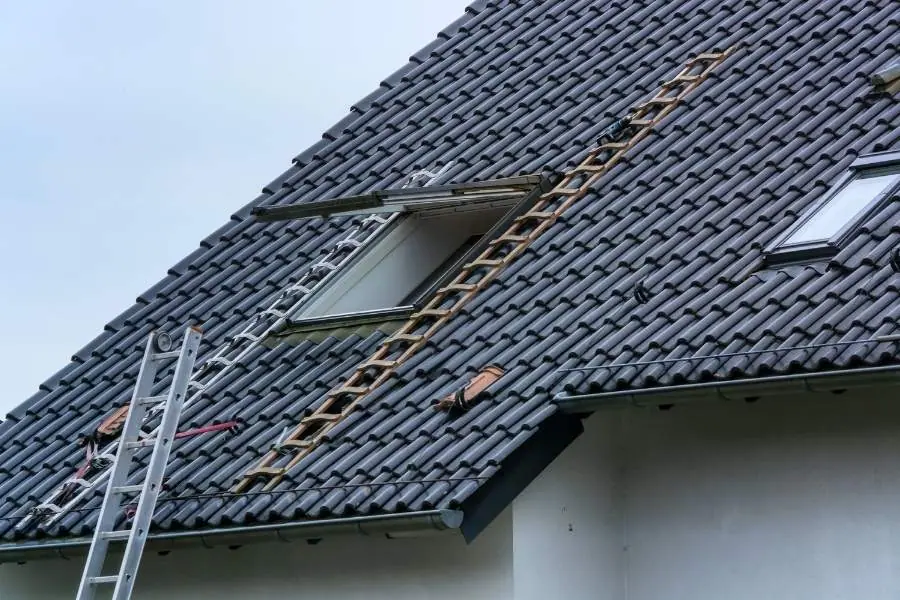
Tile roofing systems are known for their durability and distinctive architectural appearance. Clay and concrete tiles are commonly used on high-end homes and Mediterranean-style properties.
Tile roofs perform well in Salt Lake City because they resist fire, moisture, and ultraviolet radiation. However, they are heavier than other roofing materials and require strong structural support.
Many homes in Sugar House and The Avenues use tile roofing to complement historic architectural styles while maintaining long-lasting roof protection.
Tile roofs can last 50 years or more, making them one of the most durable roofing materials available.
Tile Roofing
Slate roofing is considered one of the most durable roofing materials available. Natural stone tiles provide exceptional resistance to weather, fire, and UV exposure.
Slate roofs are commonly found on historic homes and luxury properties throughout older neighborhoods such as Yalecrest and Central City.
Because slate is a natural stone product, each tile is extremely durable and can last 75–100 years when installed correctly. However, slate roofing systems require specialized installation and structural support due to their weight.
Synthetic Roofing Materials
Synthetic roofing products replicate the appearance of natural materials such as slate or wood shakes while providing improved durability and lighter weight.
These materials are engineered to resist hail, moisture, and UV exposure. They are also easier to install than traditional stone or wood roofing materials.
Synthetic roofing systems are becoming increasingly popular for homeowners seeking premium aesthetics without the structural requirements of heavier materials.
Flat Roofing Systems
Flat roofing systems are commonly used on commercial buildings, apartment complexes, and modern residential homes. These roofing systems rely on waterproof membranes rather than traditional overlapping shingles.
Common flat roofing materials used in Salt Lake City include:
- TPO roofing membranes
• EPDM rubber roofing
• Modified bitumen roofing systems
Flat roofs are widely used on buildings throughout Downtown Salt Lake City and Fairpark, where commercial structures often require large roof spans.
Proper drainage systems and waterproof coatings are essential to prevent standing water and leaks.
Roofing Materials by Property Type
Different buildings across Salt Lake City often use specific roofing materials depending on architectural style, structural design, and budget considerations.
Residential Roofing Materials
Most residential homes in Salt Lake City use asphalt shingles due to their affordability and reliable performance in snow and rain.
Metal roofing is increasingly popular for newer homes and mountain-facing properties because it sheds snow efficiently and lasts longer than traditional shingles.
Tile and slate roofing systems are typically used on luxury homes or historic buildings where appearance and longevity are priorities.
Commercial Roofing Materials
Commercial buildings throughout Downtown Salt Lake City often use flat roofing systems designed to protect large roof surfaces.
Read moreShow less
Membrane roofing materials such as TPO and EPDM are commonly installed because they provide strong waterproofing and energy efficiency.
Metal roofing panels are also widely used for industrial buildings and warehouses due to their durability and low maintenance requirements.
Free, no-obligation estimates
Talk to Salt Lake City Roofing Contractors
Tell us what you need and we’ll take it from there.
Our Roofing Material Selection Process
Choosing the right roofing material requires evaluating several factors including roof structure, weather exposure, and property design.
Why Salt Lake City Property Owners Choose Our Roofing Materials
Roofing Materials Throughout Salt Lake City
Salt Lake City Roofing Contractors installs roofing materials across neighborhoods throughout the Salt Lake Valley.
Primary service areas include:
- Sugar House
• Yalecrest
• Rose Park
• Fairpark
• Poplar Grove
• Downtown Salt Lake City
• Capitol Hill
• Central City
• Glendale
• The Avenues
Each neighborhood includes a mix of historic homes, mid-century houses, and modern developments, each requiring roofing materials suited to their design and climate exposure.
Roofing Material Costs in Salt Lake City
The cost of roofing materials depends on roof size, installation complexity, and the type of material selected.
Typical price ranges include:
Asphalt shingles: $7,000 – $12,000
Metal roofing: $12,000 – $25,000
Tile roofing: $15,000 – $30,000
Slate roofing: $20,000 – $40,000
Flat roofing systems: $8,000 – $18,000
Factors influencing roofing material costs include:
- Roof size and pitch
• Structural reinforcement requirements
• Material durability and warranty
• Labor and installation complexity
• Local building codes and permits
Every project begins with a free roof inspection and estimate.
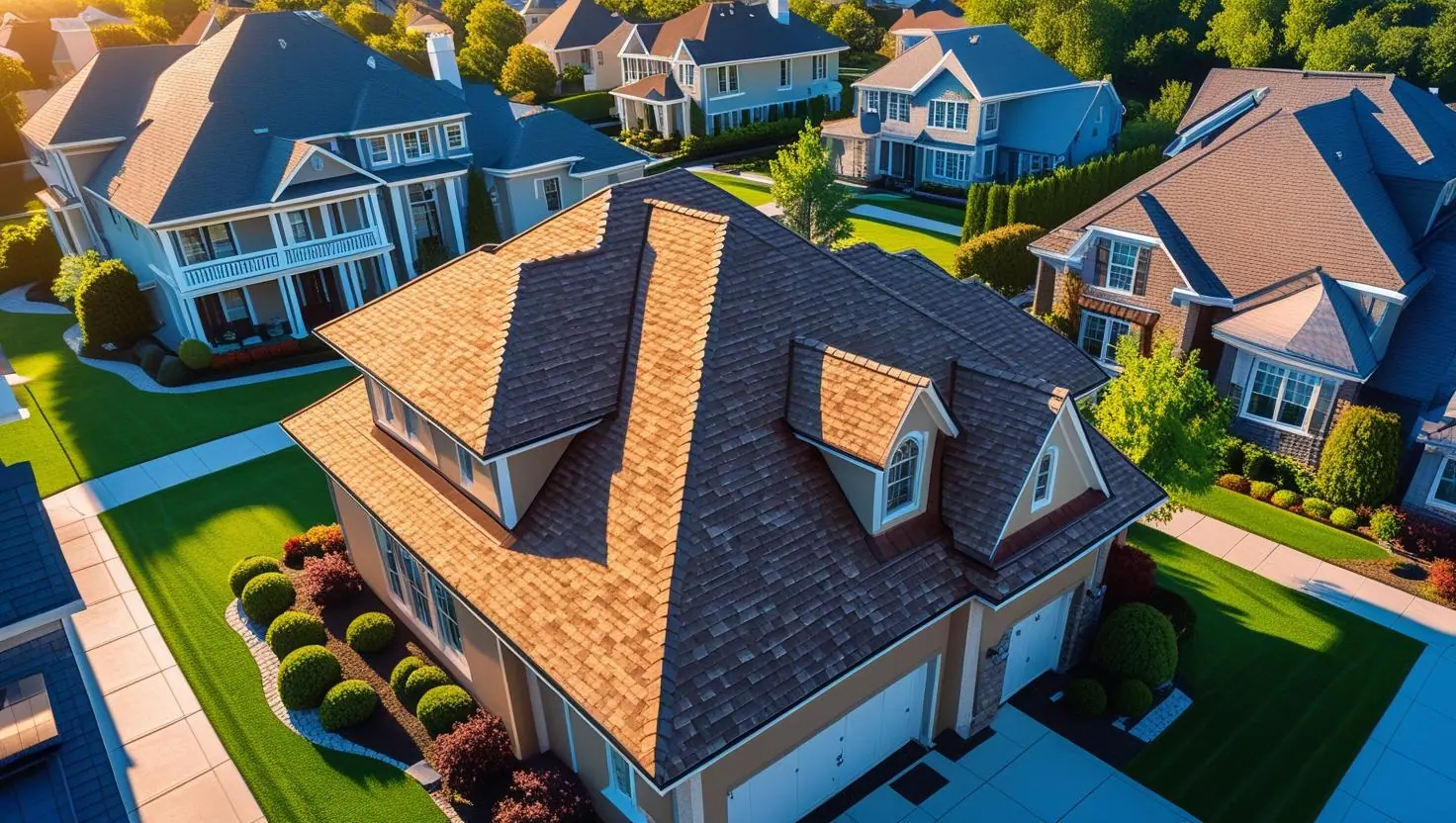
Emergency Roofing Material Replacement
Severe weather can damage roofing materials quickly, especially during storms that produce strong winds or hail.
Emergency roofing services are available for:
- Missing or damaged shingles
• Metal panel damage from hail
• Roof leaks caused by broken materials
• Structural roof damage during storms
• Flashing failures around chimneys or vents
Temporary repairs can prevent further damage until permanent material replacement is completed.
Call 801-980-1948 for emergency roofing assistance.
FAQ
Roofing Materials
What roofing material lasts the longest in Salt Lake City?
Slate and metal roofing systems typically last the longest. Slate roofs can exceed 75 years, while metal roofs often last 40–70 years depending on maintenance and weather exposure.
Which roofing material is best for heavy snow?
Metal roofing performs best for heavy snow because its smooth surface allows snow to slide off the roof more easily, reducing structural stress.
Are asphalt shingles good for Utah weather?
Yes. Modern architectural asphalt shingles perform well in Salt Lake City when installed with proper ventilation and waterproof underlayment.
Do tile roofs work in cold climates?
Tile roofing can perform well in cold climates if installed properly, but structural support is required because tile materials are heavier than shingles.
What roofing materials are best for historic homes?
Slate and tile roofing are often used for historic homes because they match traditional architectural styles while providing long-term durability.
Schedule Your Free Roof Inspection
Choosing the right roofing materials is essential for protecting your property in Salt Lake City’s demanding climate.
Salt Lake City Roofing Contractors provides professional roofing material selection, installation, and replacement services throughout Salt Lake City and surrounding communities.
Your free roof inspection includes:
- Professional roof evaluation
• Roofing material recommendations
• Detailed written estimate
• No obligation consultation
Call 801-980-1948 today to schedule your inspection.
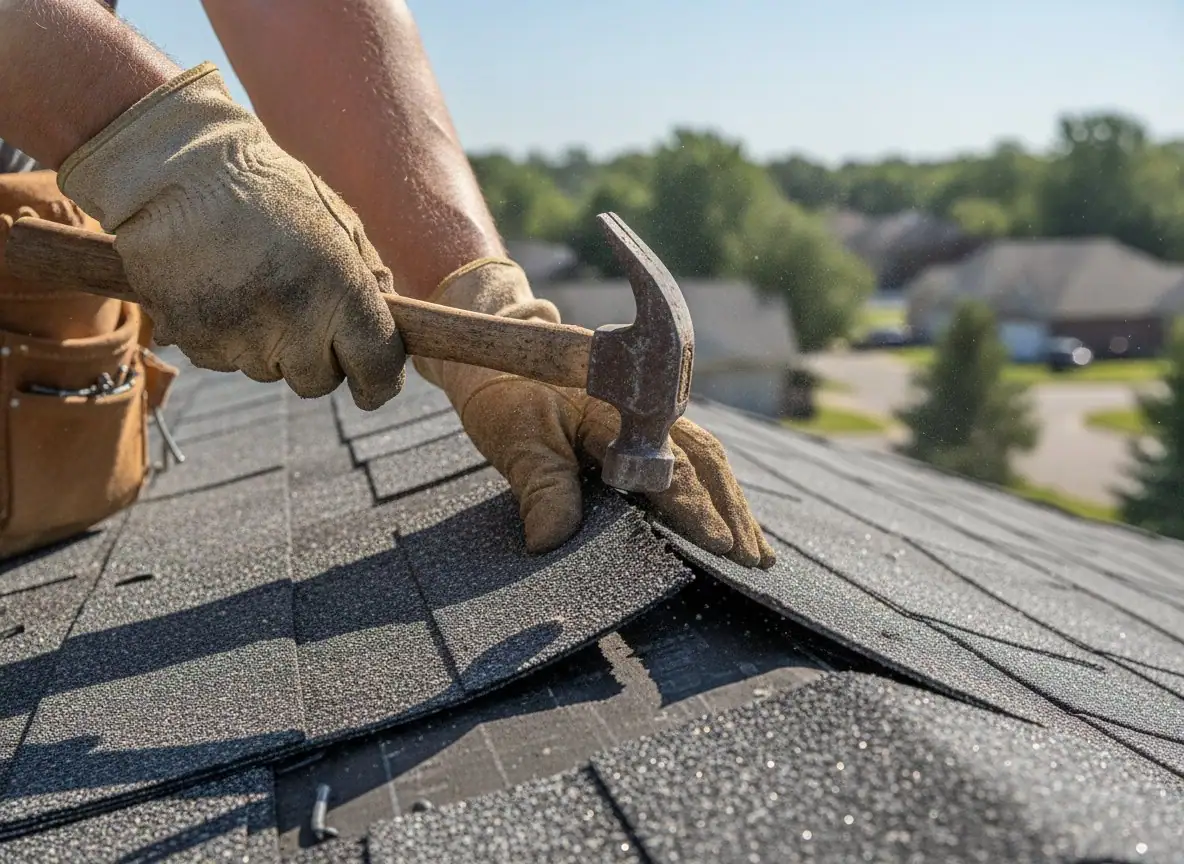
Why choose us
Why choose Salt Lake City Roofing Contractors?
Free estimates
Get a clear, no-obligation estimate before any work begins.
Licensed & insured
Your property and our crew are protected on every project.
Residential & commercial
One team for homes, multi-family and commercial properties.
Locally owned & operated
A local team serving your community and the surrounding area.
Get in touch
Find roofing help near you
Request a free estimate online or give us a call — our team will follow up quickly.
- Call us(801) 980-1948
- Visit4001 S 700 E suite 500, Salt Lake City, UT 84107
- HoursMon-Sun 7:00 AM-7:00 PM